




Over the past few months, more and more Vancouver homeowners have come to us with the same question: why is my house not selling? Their homes are well kept, in good neighbourhoods and listed with care, yet the showings have slowed and the offers haven't come. At the same time, we're watching other homes on the very same streets sell in a reasonable amount of time, sometimes after only a few weeks on the market. The difference usually isn't luck, and it's rarely because the house itself is undesirable. In most cases it comes down to how the price and the presentation line up against what buyers can see right now, and that has changed a great deal over the past year. If your home is sitting, or you're planning to list and want to avoid that situation, here is what we're seeing on the ground and what the sellers getting results are doing differently.
What We're Seeing on Vancouver Listings This Fall
The clearest thing we're seeing this fall is choice. Buyers across Greater Vancouver had 15,688 active listings to look at in October 2026, about 24% more than the long-term average, according to Greater Vancouver Realtors. Sales have moved the other way, with 2,024 homes selling in October, which is 10.2% fewer than a year earlier and 22.5% below the 10-year average for the month. The composite benchmark price, which tracks the value of a typical home across the region rather than any one property, was $1,068,600, down 5.2% from October 2025. Buyers were also dealing with the Bank of Canada's rate increase in late October and a busy season of elections, and that kind of uncertainty tends to make people slow down and wait. Put together, buyers are booking fewer showings, walking through more homes before they commit, and feeling little pressure to make an offer on a home that doesn't feel right at its price. On the listings we follow, the homes that sit tend to collect weeks on the market and a series of small price reductions, while the ones priced and presented well are still drawing serious interest. Our own team sold detached homes in South Granville and Renfrew Heights in October, so well-priced houses are still finding buyers.
One number we watch closely is the sales-to-active listings ratio, which compares how many homes sold in a month with how many were available. Greater Vancouver Realtors notes that prices tend to come under downward pressure when this ratio stays below 12% for a sustained period. In October it was 13.4% across all property types, but only 11.6% for detached homes, which is where we're seeing the most listings sit. That doesn't mean every detached home is losing value, and it doesn't tell you what any one property is worth. What it does tell sellers is that buyers currently hold more of the bargaining power, especially for houses, and that a listing has to earn attention rather than expect it. Townhouses and condos face plenty of competition of their own, so the same lessons apply whatever kind of home you're selling.
Why Some Homes Sit While Others Sell
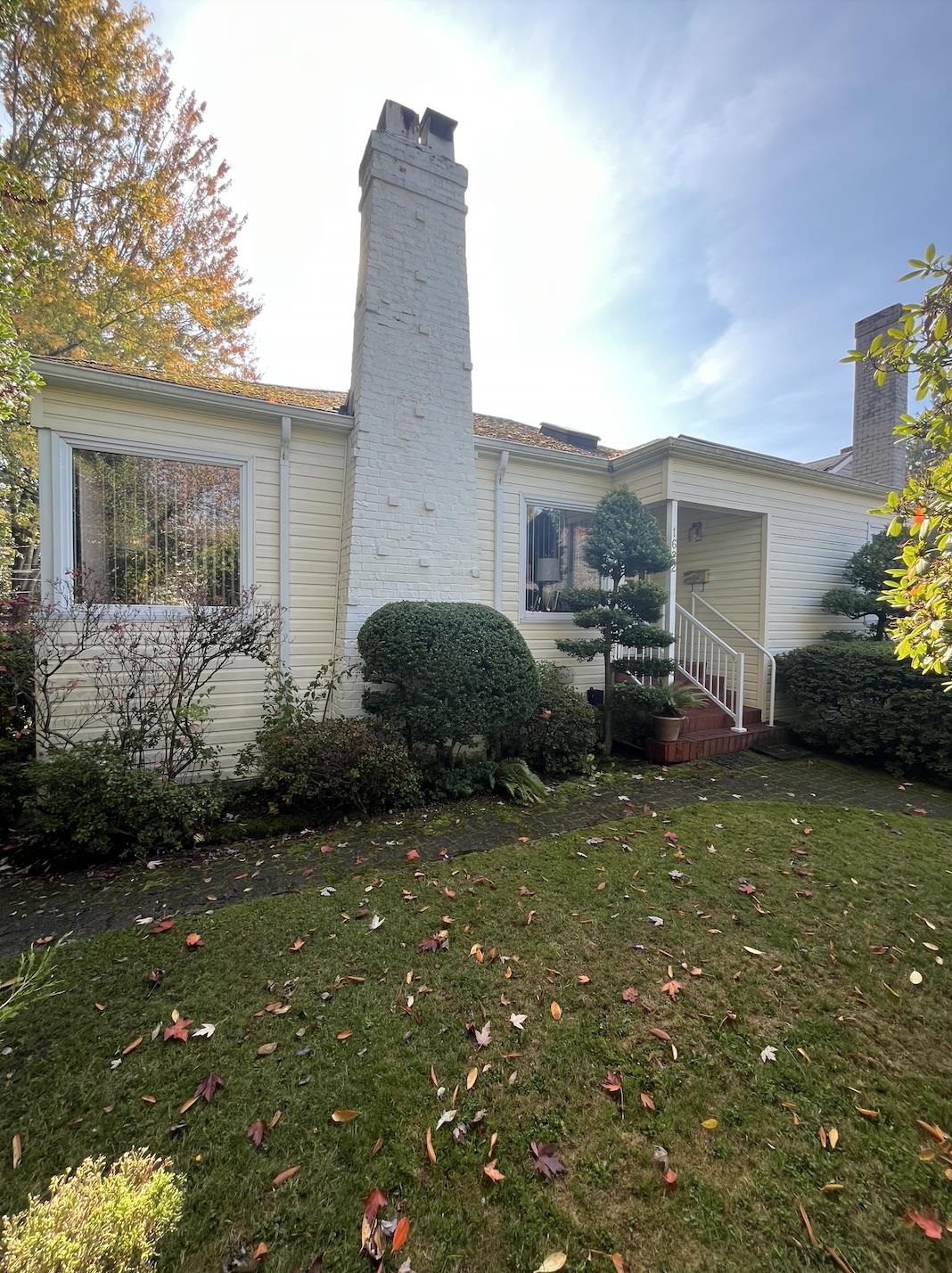
When we look closely at the homes that are sitting, the most common cause is a price set against yesterday's market instead of today's. Some sellers price from what a neighbour got a year or two ago, when buyers had far fewer homes to choose from. Others work from the peak of the market or from their BC Assessment, which feels official but reflects the home's value as of July 1 of the previous year, not what buyers are paying this fall. Buyers, meanwhile, are comparing your home with every similar listing in their price range, and they can see quickly when one asks more than the others for the same space, condition and location. The result is that the home gets skipped, showings stay quiet, and the listing starts to look stale as the days on market add up. Many sellers then respond with a series of small reductions, but by that point the home is often trailing the market rather than meeting it. Getting the price right at the start usually costs a seller far less than chasing the market down.
Condition and presentation matter more when buyers have this much choice. In a busier market, a buyer might overlook a dated kitchen, a cluttered basement or a few repairs left undone, but right now those same details give them a reason to keep scrolling. Most buyers decide whether to book a showing from the online photos, so dark, crowded or unclear pictures can cost a home its chance before anyone walks through the door. Homes that feel clean, bright and easy to picture living in stand out against listings that look tired, even when the prices are similar. That rarely means a major renovation before you sell. It means removing the small objections that give a buyer an easy reason to choose a different home.
What the Homes That Sell Are Doing Differently
The sellers we're seeing succeed this fall start with an honest look at the market. They price from recent comparable sales, meaning similar homes nearby that have actually sold in the last few months, and from the listings they'll be competing against right now, rather than from hopes, last year's numbers or an assessment notice. That is the heart of how to price your home in Vancouver in a market like this one: you're not only asking what your home is worth, you're asking what a buyer will choose it over. A good agent should be able to walk you through those comparables, explain which ones matter most and show you where your home sits against the competition. Pricing this way can feel uncomfortable when values have softened, but it puts your home in front of the buyers who are actively shopping at that price. It also gives you the best chance of creating real interest early, which is when a seller has the most leverage. A recent example from our own team is a detached home in Delta's Hawthorne neighbourhood that sold over its listing price in early November, during the same weeks that many detached homes across the region were sitting. You can see it, along with the other homes we've sold this year, on our recent sales page.
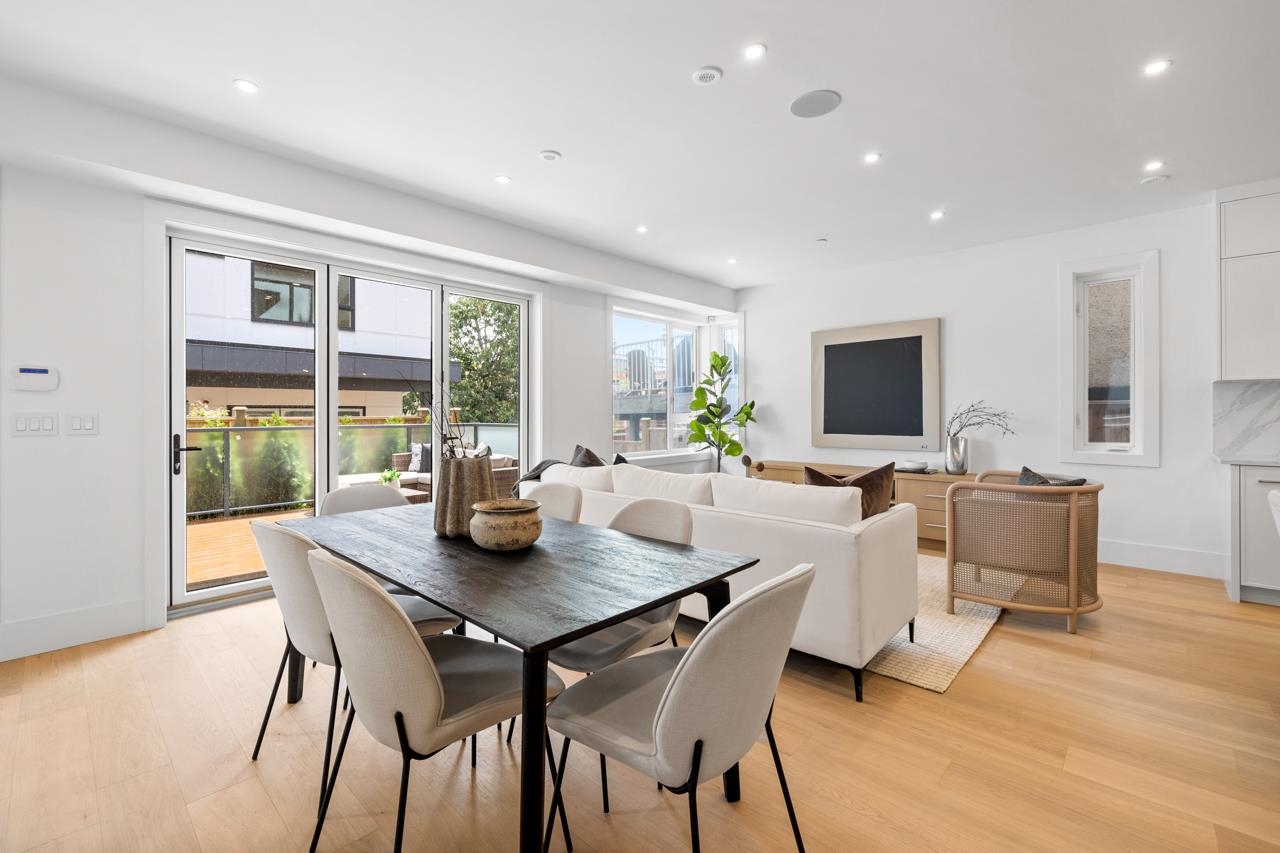
Those first two weeks matter more than any other point in a listing, because that's when a home gets the most attention from buyers and their agents. The homes that sell treat the launch seriously: repairs are finished, the house is cleaned and decluttered, rooms are staged where it helps a space make sense, and the photos show the home at its best. Their owners also go in with a plan, agreeing with their agent ahead of time on how to read showing activity and feedback, and on what the next step will be if an offer hasn't come after a few weeks. Having that plan keeps decisions calm instead of reactive. It also helps sellers time their move sensibly, especially if they're buying another home at the same time.
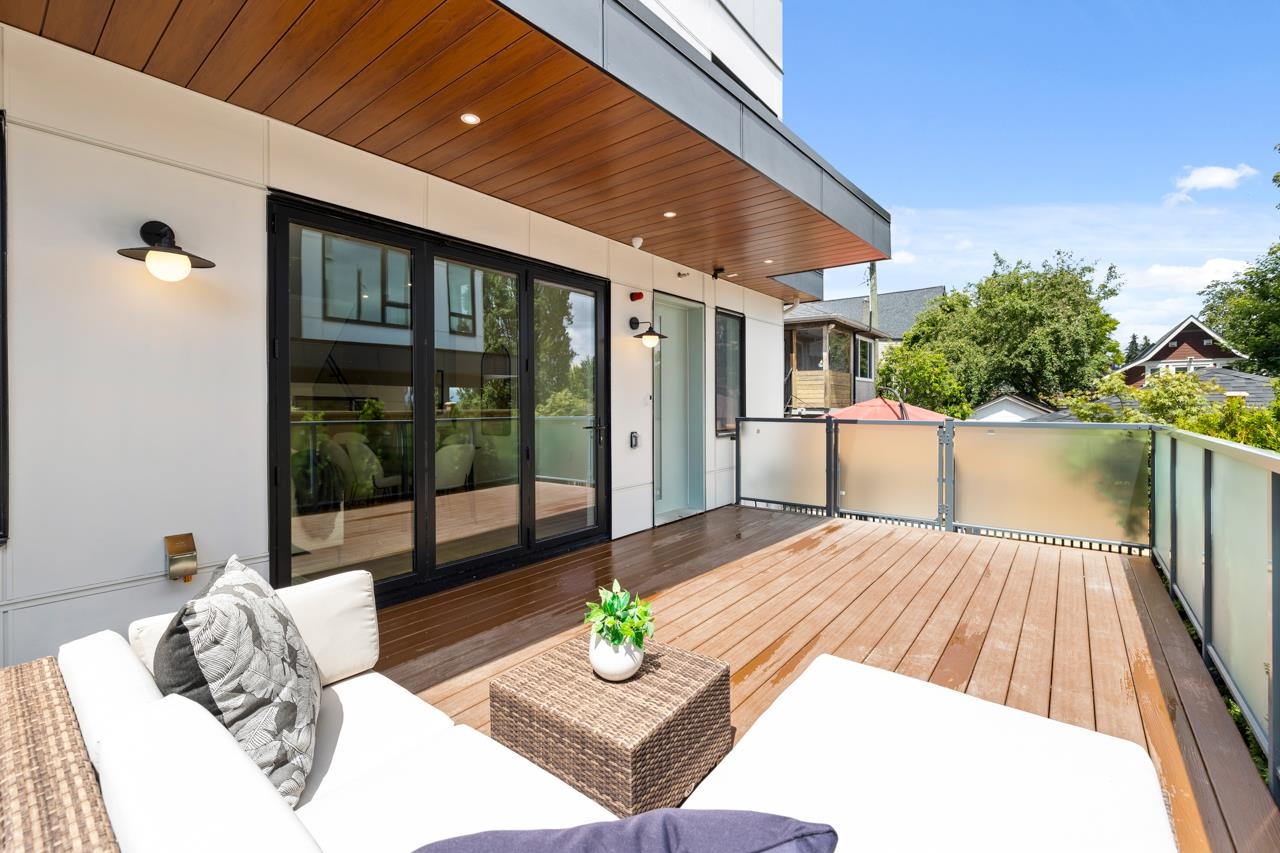
If your home is already on the market and has gone quiet, it isn't too late to turn things around. Start by reviewing the price against the sales and listings buyers are comparing it with today, not the ones from when you first listed. Ask for honest feedback from showings, and look at the listing the way a buyer would, from the photos to the first impression at the front door. A fresh set of photos, better staging or a few small repairs can change how buyers see the home. Where the price no longer fits the competition, one meaningful adjustment based on current evidence usually works better than several small ones. Most of all, have a frank conversation with your agent about what the market is telling you.
If you're thinking about listing this fall or winter, or your listing has stopped getting attention, we're happy to look at your home and the current competition with you. You can learn more about our approach to selling your home in Vancouver, or reach out to our team and we'll talk through pricing, preparation and timing in plain terms.
 Paul Eviston -


 The data relating to real estate on this website comes in part from the MLS® Reciprocity program of either the Greater Vancouver REALTORS® (GVR), the Fraser Valley Real Estate Board (FVREB) or the Chilliwack and District Real Estate Board (CADREB). Real estate listings held by participating real estate firms are marked with the MLS® logo and detailed information about the listing includes the name of the listing agent. This representation is based in whole or part on data generated by either the GVR, the FVREB or the CADREB which assumes no responsibility for its accuracy. The materials contained on this page may not be reproduced without the express written consent of either the GVR, the FVREB or the CADREB.
Comments:
Post Your Comment: